




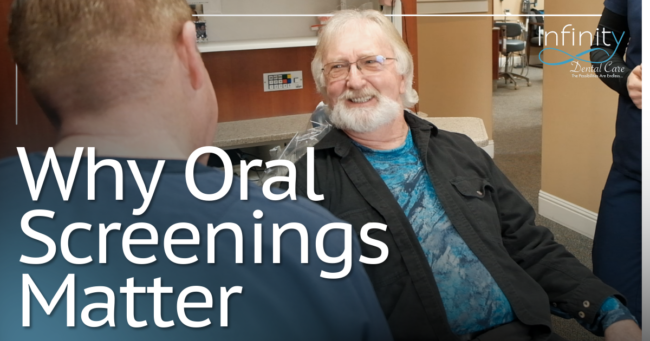
Early Signs Of Oral Cancer
Oral cancer can creep up on you. Early signs may be subtle and painless, which is why awareness and routine dental exams are so important. Catching symptoms early dramatically improves outcomes. Read on to learn more.

Oral cancer can creep up on you. Early signs may be subtle and painless, which is why awareness and routine dental exams are so important. Catching symptoms early dramatically improves outcomes. Read on to learn more.
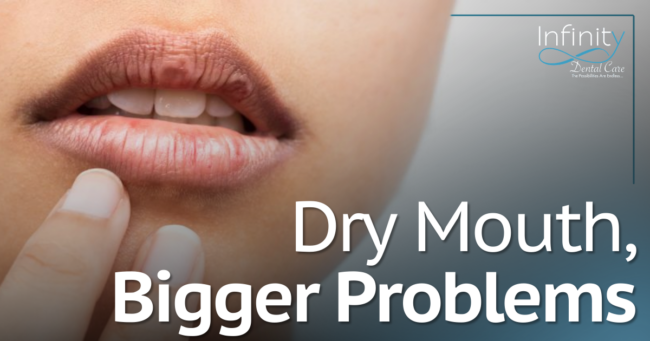
Dry mouth may seem like a minor inconvenience, but it can significantly affect oral health if left unaddressed. Many people notice it as a sticky feeling, frequent thirst, or trouble swallowing, especially at night or first thing in the morning. Because it often develops gradually, it is easy to adapt to the discomfort and move on. In reality, dry mouth is often a sign that your mouth is missing one of its most important protective tools: saliva. Read on to learn more.
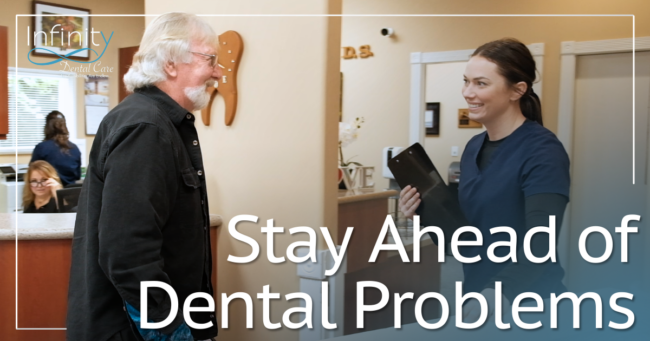
You probably know you’re supposed to see your dentist twice a year, but that recommendation isn’t arbitrary or just a way to keep dental offices busy. Regular checkups serve as an early warning system for issues that develop silently and can save you from painful emergencies, complicated treatments, and significantly higher costs down the road. Read on to learn more.

Healthy oral habits established early can set the stage for a lifetime of confident smiles. Children and teens experience unique dental challenges, from growing teeth to shifting alignment, making preventive care especially important. By adopting simple routines and scheduling regular dental visits, families can ensure young smiles remain strong, healthy, and beautiful. Preventive care is not just about avoiding cavities. It also supports overall oral health, fresh breath, and proper jaw development. Read on to learn more.

As the days grow shorter and colder, many of us start thinking about ways to strengthen our immune system. We stock up on vitamin C, get our flu shots, and focus on eating healthier to ward off seasonal colds. But there’s one powerful piece of the immune health puzzle that people often overlook: your mouth. Read on to learn more.

As the year begins to wind down, it’s natural to look ahead to the holiday season. Schedules get packed with family gatherings, travel plans, and long to-do lists. But here’s something you don’t want to overlook: your dental membership plan. Read on to find out why you need to take advantage of your membership plan within 12 months of signing up!
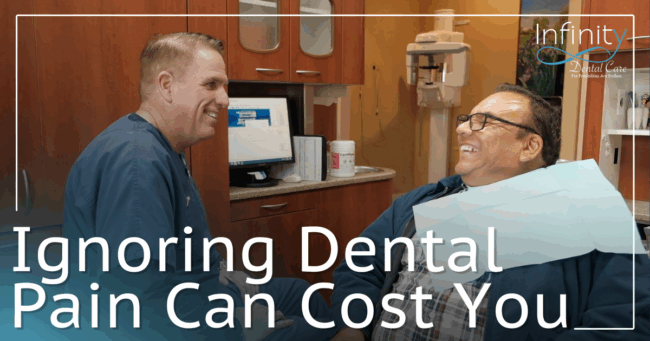
When a patient visits us and we find an oral health issue that requires treatment, we recommend following through as soon as possible for many reasons. First and foremost, treating a dental health problem early is usually the patient’s best chance to restore their oral health. Just like many other diseases, oral health diseases will not magically heal on their own. The longer a patient waits to get treatment, the more complicated treatment becomes.
Teeth get a lot of attention — as they should, since they are the most prominent part of your smile. But what about gums? Your gums are extremely important. Without gums, you can’t have teeth! So, are you paying enough attention to your gums when you brush your teeth in the morning and at night?
Life gets busy, and it’s easy to let dental visits slide. While those regular checkups may seem minor, they play a big role in keeping your smile healthy and strong. Even if everything looks and feels fine, routine visits help us catch small issues before they grow into bigger problems.
Have you ever run your tongue over your teeth and noticed something rough or uneven? Your fillings should feel just as smooth as your natural teeth, but they can break down, chip, or loosen over time. When that happens, your tooth is at risk for decay and damage.
